
Story Details
| Last Updated | |
| Total Articles | 2 |
Main Topics

executive department of the U.S. federal government


News on this topic


US halts immigrant visa applications for global ‘in-depth’ training course: The Trump administration has paused immigrant visa appointments worldwide to carry ...
thehill.com/policy/international/6051315-immigrant-visas-pause-donald-trump/
Similar to This
Previous


 Subscription required Trump Pauses Visa Appointments Worldwide in New Crackdown: The new directive has put many visa applicants in limbo.
thedailybeast.com/trump-pauses-visa-appointments-worldwide-in-new-crackdown/

 Subscription required Trump administration pauses immigrant visa applications: US state department wants consular officers to screen out people likely to need public benefits
ft.com/content/857fb8e1-eec6-443e-97e8-f6876302aabc


US: Trump administration pauses all immigrant visa applications: The appointments would be rescheduled after consular officials get trained to screen out ...
scroll.in/latest/1095275/us-trump-administration-pauses-all-immigrant-visa-applications


US pauses immigrant visa applications worldwide: report: Washington to also revoke visas of up to 200,000 asylum seekers who initially arrived as temporary ...
dawn.com/news/2025389

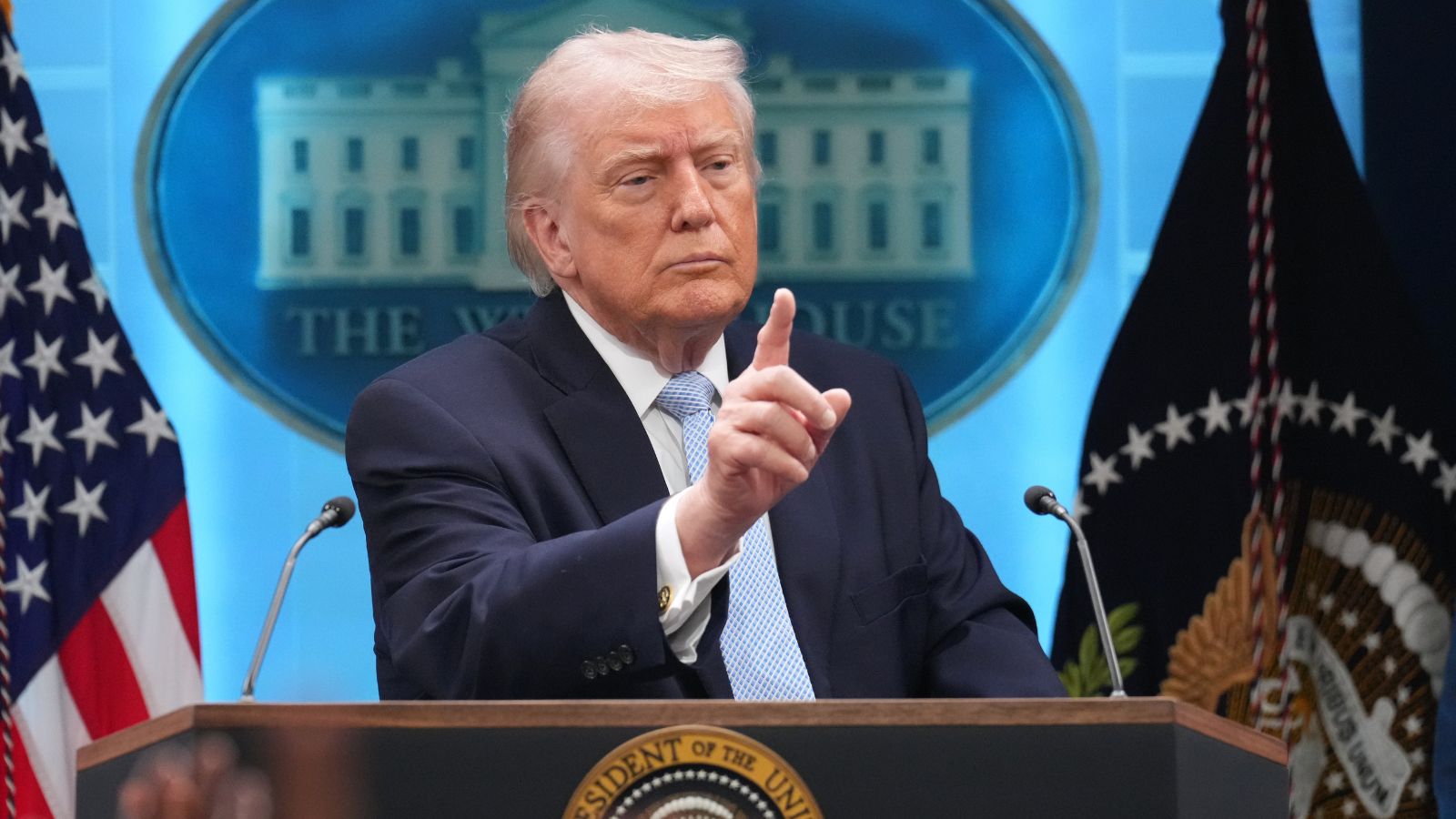
 Limited free access How Trump’s immigrant visa pause will affect applicants worldwide: The Trump administration is expanding its immigration crackdown beyond illegal entry ...
indianexpress.com/article/world/us-news/trump-us-immigrant-visa-pause-family-applicants-india-explained-10851888/

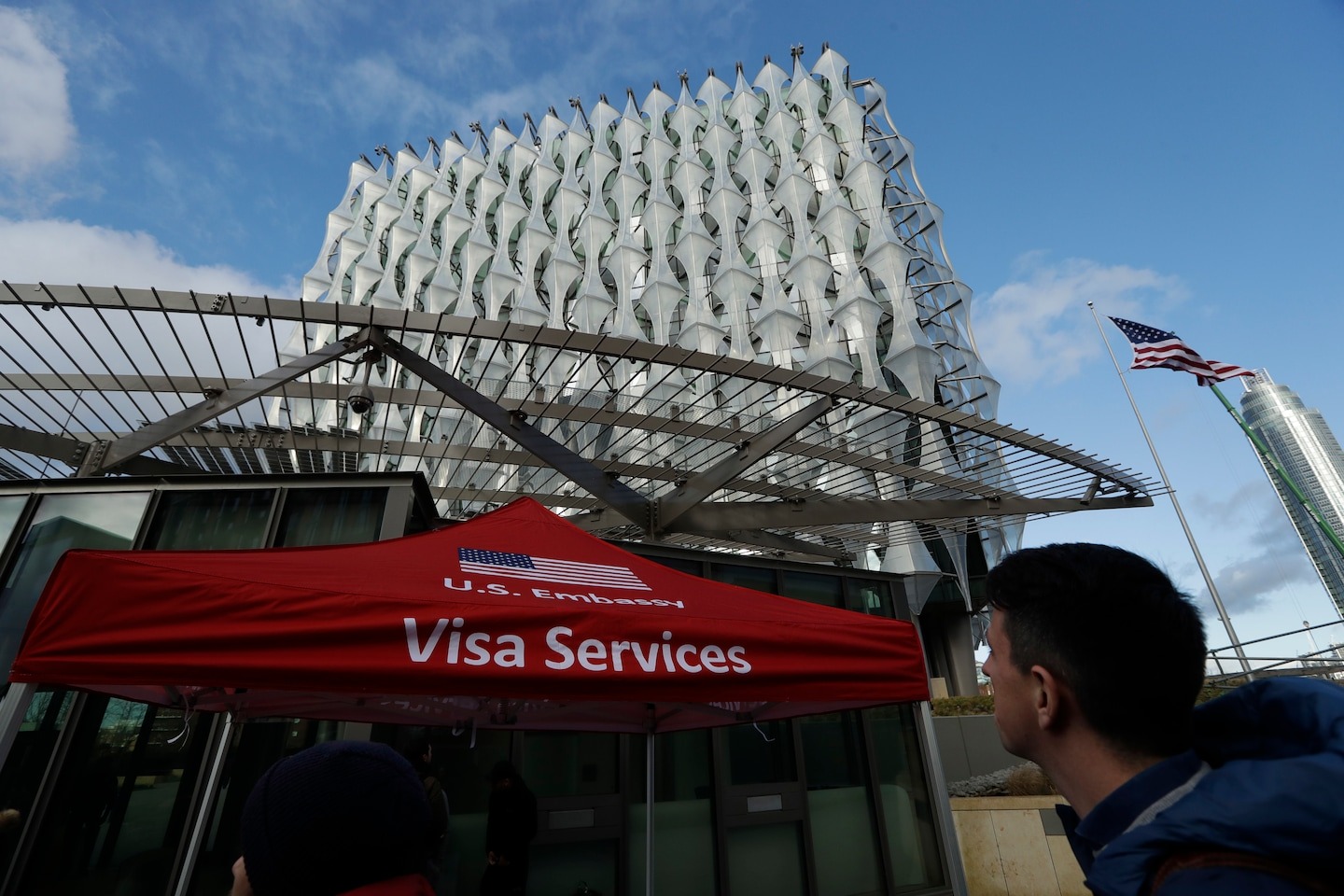

US to review H-1B applicants' social media, State Dept says: H-1B applicants and their dependents will face expanded online checks as the US tightens scrutiny of ...
businessinsider.com/us-to-review-h-1b-applicants-social-media-state-dept-2025-12


US visa interviews for immigrants face stricter location rules from November: Immigrants in countries without US visa services will need to travel to designated ...
financialexpress.com/business/investing-abroad-us-visa-interviews-for-immigrants-now-limited-to-country-of-residence-or-nationality-3962194/


US demands $15,000 deposit for visa applicants from Malawi and Zambia: The 12-month pilot programme targeting Malawi and Zambia aims to curb visa overstays ...
bbc.com/news/articles/cp9415d53xko
Key Facts$15,000 Visa Bond Introduced for Malawi and Zambia
Aug 6, 2025 · Reading time: ~30 sec.
Summary created with AI assistance · Source: bbc.com
- The US government will require a $15,000 bond for tourist and business visas from Malawi and Zambia citizens.
- This 12-month pilot project targets reducing visa overstays and addressing gaps in screening and vetting procedures.
- The deposit will be refunded after the visit, with potential expansion to applicants from other countries.
- Data shows about 14% of Malawian and 11% of Zambian visitors have previously overstayed their visas.


The United States suspends visa processing at embassy in Niger citing 'concerns': The USA is pausing all routine visa services at its embassy in Nigerien capital ...
rfi.fr/en/africa/20250728-the-united-states-suspends-visa-processing-at-embassy-in-niger-citing-concerns


Key FactsUS Scrutinizes Students’ Social Media for Visa Approval
Jun 19, 2025 · Reading time: ~45 sec.
Summary created with AI assistance · Source: pbs.org
- The U.S. State Department resumed processing student visas but now requires applicants to make social media accounts accessible for review.
- Consular officers will monitor online content for signs of hostility toward U.S. government, culture, or foundational principles.
- Failure to grant access to social media may lead to visa rejection, signaling possible avoidance or concealment of online behavior.
- Visa processing prioritizes applicants to institutions where less than 15% of the student body are foreign nationals.
This policy makes a censor of every consular officer, and it will inevitably chill legitimate political speech both inside and outside the United States.— Jameel Jaffer, executive director at the Knight First Amendment Institute at Columbia University, discussing the new policy from the State Department.






Next