

Warmer than normal: Temperature records in May:
The EU climate service Copernicus analyzed the past month: The average air temperature was 15.8 degrees Celsius ...
merkur.de/welt/mai-waermer-als-normal-temperaturrekorde-im-zr-93778898.html


News on this topic


Warmer than normal: temperature records in May: The EU climate service Copernicus has analyzed the past month: The average air temperature was 15 ...
fr.de/panorama/waermer-als-normal-temperaturrekorde-im-mai-zr-93778898.html


Warmer than normal: Temperature records in May: The EU climate service Copernicus analyzed the past month: The average air temperature was 15.8 degrees Celsius ...
hna.de/welt/waermer-als-normal-temperaturrekorde-im-mai-zr-93778898.html


Warmer than normal: Temperature records in May: The EU climate service Copernicus analyzed the past month: The average air temperature was 15.8 degrees Celsius ...
fnp.de/welt/mai-waermer-als-normal-temperaturrekorde-im-zr-93778898.html
Similar to This
Previous


Climate change: October was the warmest globally since records began: Not only did October break global records. According to the European Earth observation ...
spiegel.de/wissenschaft/oktober-war-der-weltweit-waermste-seit-beginn-der-aufzeichnungen-a-62b5e4f0-3b24-486c-92ba-6050a48e5101


2026 balance sheet: 1.5-degree limit will almost certainly be exceeded: According to the EU climate change service Copernicus, the 1.5-degree mark for global ...
science.orf.at/stories/3238087/
Key FactsCopernicus expects 2026 to exceed the 1.5°C threshold
Nov 6, 2026 · Reading time: ~45 sec.
Summary created with AI assistance · Source: tagesschau.de
Summary created with AI assistance · Source: tagesschau.de
- Copernicus expects warming in 2026 to almost certainly exceed 1.5°C above pre-industrial levels; officially, the threshold is assessed over multiple years.
- October was the warmest worldwide since records began and marked the third consecutive month above 1.5°C.
- Copernicus estimates 2026 will probably be the second-warmest year; there is a 20% chance it could surpass the 2024 record.
- In October, sea-surface temperature across the latitudes from 60°N to 60°S reached 20.95°C, a new October high.
What is particularly significant is that the four-year average is also expected to exceed 1.5 degrees, illustrating how prolonged this phase of global warming has become.— Samantha Burgess of the European Centre for Medium-Range Weather Forecasts, commenting on the Copernicus climate data.


2026: Warmest August worldwide: Heat and drought are the new normal: Extreme heat, drought, and large forest fires characterized the summer of 2026 in Western ...
stuttgarter-nachrichten.de/wissen/2026-waermster-august-weltweit-hitze-und-trockenheit-ist-neue-normal-79456843.html
Key FactsCopernicus reports world's warmest August
Sep 10, 2026 · Reading time: ~30 sec.
Summary created with AI assistance · Source: zeit.de
Summary created with AI assistance · Source: zeit.de
- According to Copernicus, August's global average temperature reached 16.96 degrees Celsius, 1.65 degrees above the preindustrial level.
- Ocean surfaces outside the polar regions averaged 21.07 degrees, surpassing the 2023 August record of 20.98 degrees.
- According to Copernicus, global summer matched 2024, while Western Europe recorded its hottest summer since records began.
- Severe drought conditions were reported in France, the United Kingdom, Hungary, Romania and Serbia; the Rhine and Danube had exceptionally low water levels.


Juni und Juli waren in Westeuropa so warm wie noch nie: Im Mittel 21,62 Grad Celsius: Westeuropa hat in diesem Jahr den heißesten Juni und Juli seit Beginn der ...
br.de/nachrichten/deutschland-welt/juni-und-juli-waren-in-westeuropa-so-warm-wie-noch-nie,VRraqCy


June was the warmest in Western Europe since records began: The heat wave at the end of June broke many temperature records. New data now shows: June in Western ...
spektrum.de/news/hitze-waermster-juni-westeuropas-seit-aufzeichnungsbeginn/2333476

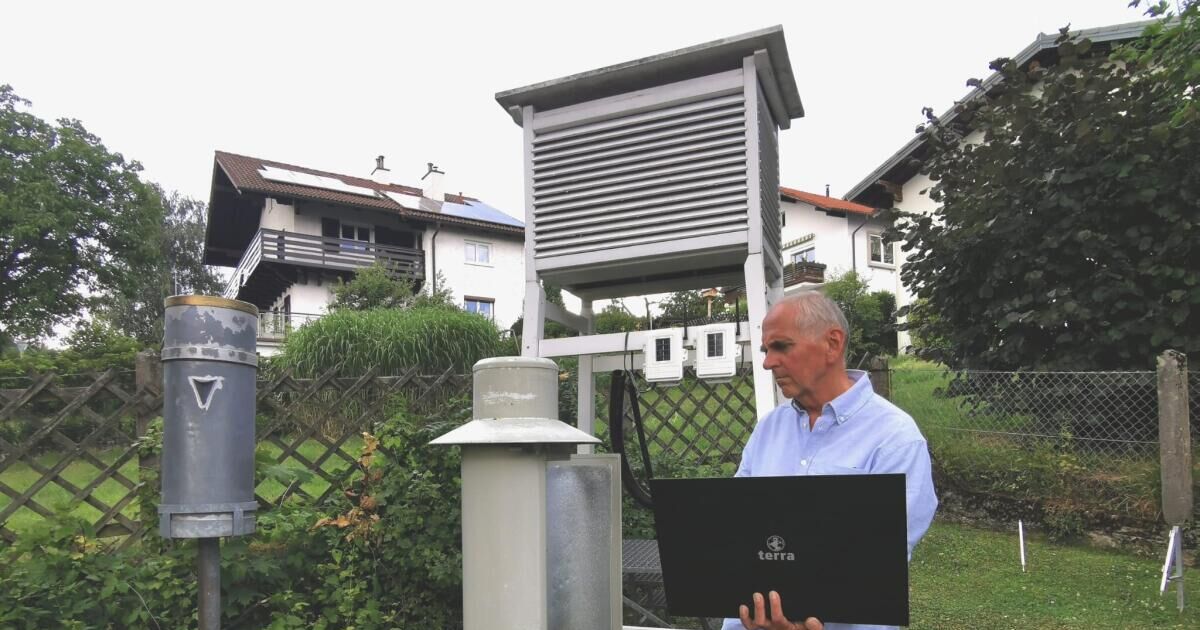
May brought record heat and extreme drought to the Salzkammergut region: SALZKAMMERGUT. May 2026 was significantly warmer and drier in the Salzkammergut region ...
tips.at/nachrichten/voecklabruck/land-leute/724664-mai-brachte-rekordwaerme-und-extreme-trockenheit-im-salzkammergut


Climate change: Second warmest March since records began: Almost 2.3 degrees above the reference value: According to the EU service Copernicus ...
tagesschau.de/wissen/klima/copernicus-klimabilanz-maerz-100.html

Copernicus: Fifth warmest January in history worldwide: Globally, January was the fifth warmest since records began. Overall, according to Copernicus ...
zdfheute.de/wissen/wissenschaft-copernicus-waerme-januar-klima-100.html

2025 was the third warmest year since records began: For the first time, the average temperature is more than 1.5 degrees above pre-industrial levels for three ...
spektrum.de/news/2025-war-das-drittwaermste-jahr-seit-aufzeichnungsbeginn/2304928

EU Climate Service: 2025 will be the third warmest year since records began: 2025 was the third warmest year worldwide since records began – only slightly cooler ...
tagesschau.de/wissen/klima/eu-klimadienst-2025-100.html

Copernicus Earth observation program: 2025 is the third hottest year since records began - | 1.5-degree limit is getting closer
spiegel.de/wissenschaft/klimakrise-2025-als-drittheissestes-jahr-seit-messbeginn-bestaetigt-a-62e9aefa-e82a-4ec5-811d-6437f3e1ace5


 Paid articlePaywall
Climate change 2025: Extreme temperatures despite La Niña: The year 2025 was one of the warmest globally - | with temperatures almost 1.5 degrees above ...
sueddeutsche.de/projekte/artikel/wissen/klimawandel-temperaturen-extremwetter-pariser-klimavertrag-e051417/

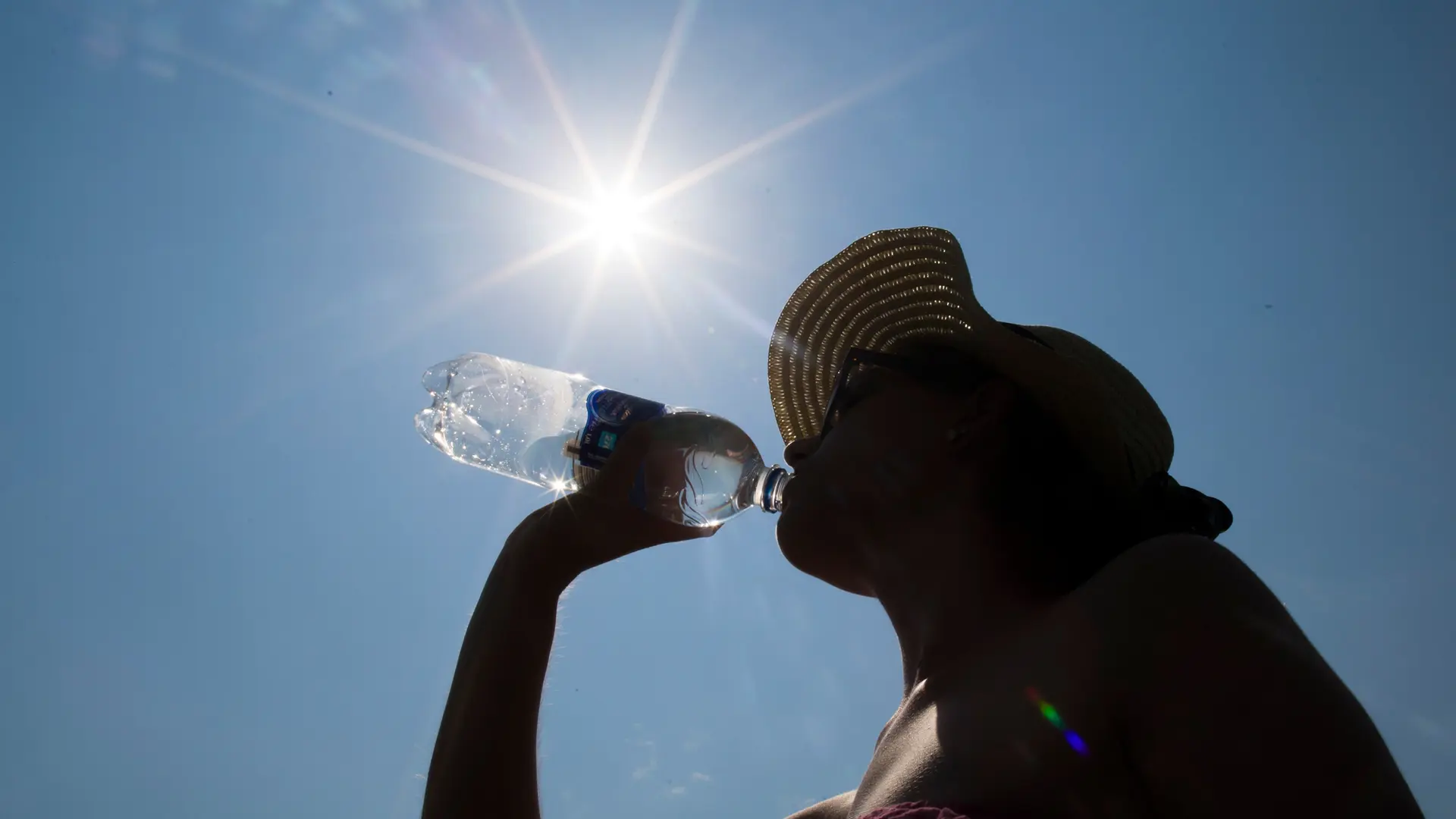
Heat wave: These are the unusual temperatures in your region: Currently, it is significantly hotter than it should be almost everywhere. But are the temperatures ...
ndr.de/nachrichten/Klimawandel-im-Norden-So-steigen-die-Temperaturen-in-Ihrer-Region,temperatur304.html


June 2025 was the hottest June ever recorded in Western Europe - Two thirds more heat-related deaths
donaukurier.de/nachrichten/panorama/juni-2025-war-heissester-jemals-in-westeuropa-gemessener-juni-zwei-drittel-mehr-hitzetote-19027751


Second warmest May worldwide: Only once has the global average temperature been higher in a May. And in parts of Europe the month was particularly dry.
rp-online.de/panorama/wissen/weltweit-zweitwaermster-mai_aid-129086073

"Shocking statistics": A year two degrees too hot is possible for the first time: A new report predicts temperatures will continue to be at record levels until ...
derstandard.at/story/3000000271594/schockierende-statistiken-ein-um-zwei-grad-zu-heisses-jahr-ist-erstmals-moeglich


"Exceptional temperatures" on May 1st: Record heat around Bremen?: It will get increasingly warmer in the coming days, before the peak is expected on May 1st ...
weser-kurier.de/bremen/aussergewoehnliche-temperaturen-am-1-mai-rekordwaerme-rund-um-bremen-doc80eh96qirn81ct5bno3


Climate change: 2024 is likely to be the warmest year in history: On average, the temperature this year is likely to be 1.6 degrees Celsius above pre-industrial ...
handelsblatt.com/politik/international/klimawandel-2024-duerfte-das-waermste-jahr-der-geschichte-werden-01/100093641.html
Key Facts2024 Likely to Set Temperature Records
Dec 9, 2024 · Reading time: ~30 sec.
Summary created with AI assistance · Source: sueddeutsche.de
Summary created with AI assistance · Source: sueddeutsche.de
- The year 2024 is expected to be the hottest on record, with a global average temperature exceeding 1.5 degrees Celsius above pre-industrial levels.
- The rise in temperatures is primarily attributed to human-made greenhouse gases, along with factors like increased solar activity and the El Niño weather phenomenon.
- Regional differences reveal varying temperature patterns, with Europe not ranking among the hottest areas, while regions like Eastern Canada and Australia experienced above-average warmth.
- Rainfall patterns were irregular globally, with droughts occurring in parts of North and South America and above-average rainfall noted in certain European and Asian regions.
Next