
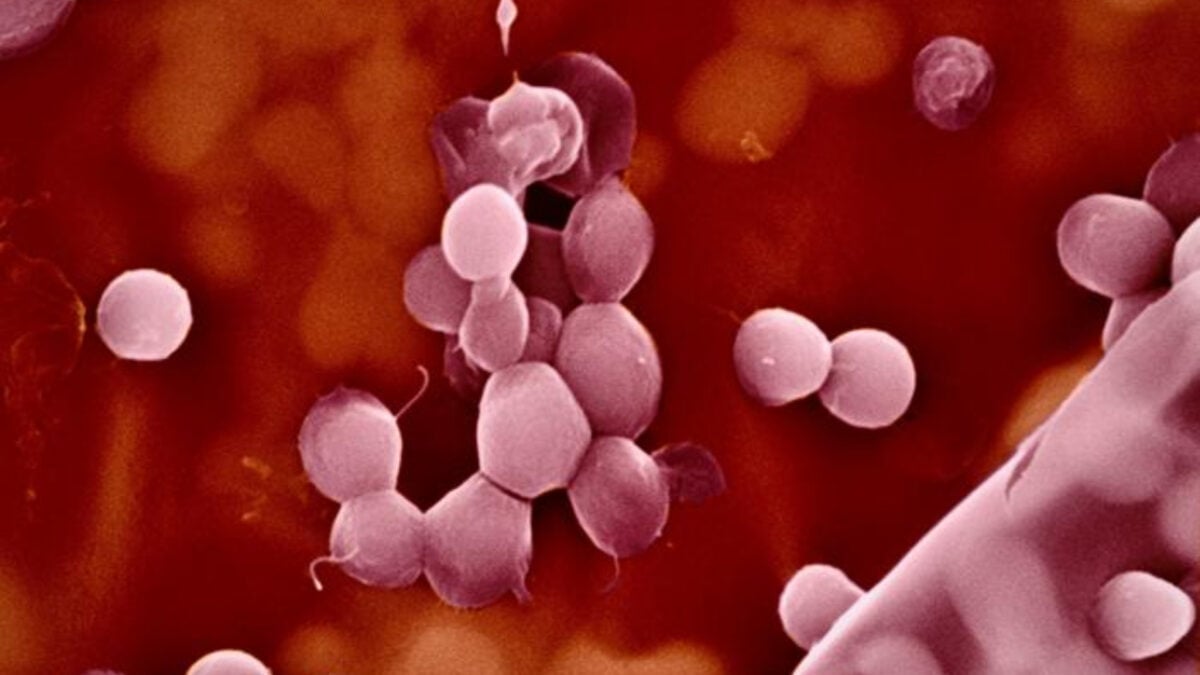
Scientists Gave an Earth Microbe Toxins Found on Mars. It Started Multiplying:
The microorganism grew despite being stuck in oxygen-free, carbon-rich ...
gizmodo.com/scientists-gave-an-earth-microbe-toxins-found-on-mars-it-started-multiplying-2000837233
Story Details
| Last Updated | |
| Total Articles | 1 |
Main Topics

fourth planet from the Solar System, tellurian and orange-red due to iron oxide


person who systematically observes and analyzes phenomena and tests hypotheses using scientific methods
Similar to This
Previous


10 NASA facts about Mars that newer evidence is still revising: NASA's Mars fact sheet gives tidy answers on color, moons, rings and volcanoes ...
qz.com/facts-about-mars-red-planet-nasa

Abandoned mines in Italy may offer clues to life on Mars.
Astrobiologist Luca Tonietti studies microbes living in dark, nutrient-poor ... Show more
FOGGIA vs BARLETTA 0 a 1: GLI HIGHLIGHTS
facebook.com/inqp

news.ufl.edu Nov 05

Microbes can grow in Mars-like conditions. What that means for the search for life.
news.ufl.edu/2026/11/microbes-martian-conditions/

We Were Totally Wrong About How Life on Earth Started, Study Suggests: The idea that the building blocks for life were delivered to Earth by comets just received ...
futurism.com/space/we-were-wrong-life-started-earth-study

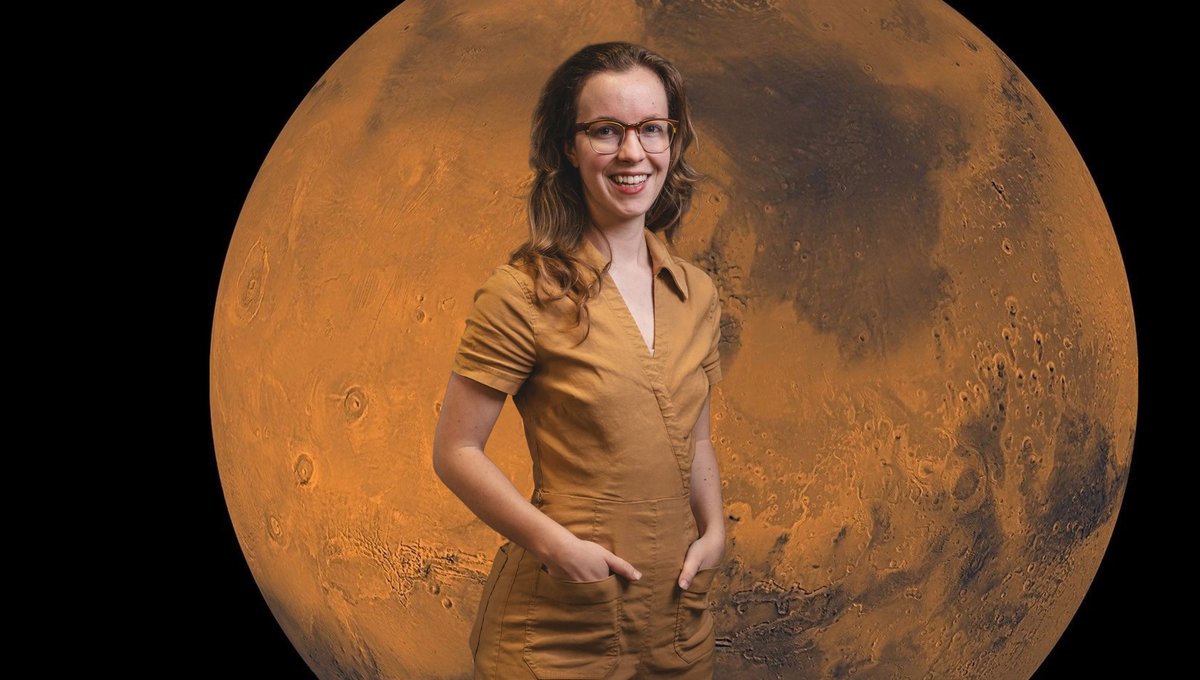
What would it take to terraform Mars? Erika DeBenedictis has ideas: The CEO of Pioneer Labs, a biotech startup developing Mars-adapted microbes ...
scientificamerican.com/article/what-would-it-take-to-terraform-mars-erika-debenedictis-has-ideas/

Can bioengineered bacteria help terraform Mars?: The nonprofit start-up Pioneer Labs claims to have made the first-ever “microbe for Mars ...
scientificamerican.com/article/can-bioengineered-bacteria-help-terraform-mars/

New Scientist Aug 10

Earth extremophile can grow in near-Mars-like conditions: A salt-loving microorganism found in places like the Dead Sea can not just survive but actively grow in ...
newscientist.com/article/2583902-earth-extremophile-can-grow-in-near-mars-like-conditions/


Bad News for Musk: Earthly microbes could turn deadlier on Mars, spelling doom for astronauts
wionews.com/science/earthly-microbes-could-turn-deadlier-on-mars-spelling-doom-for-astronauts-1784294014524

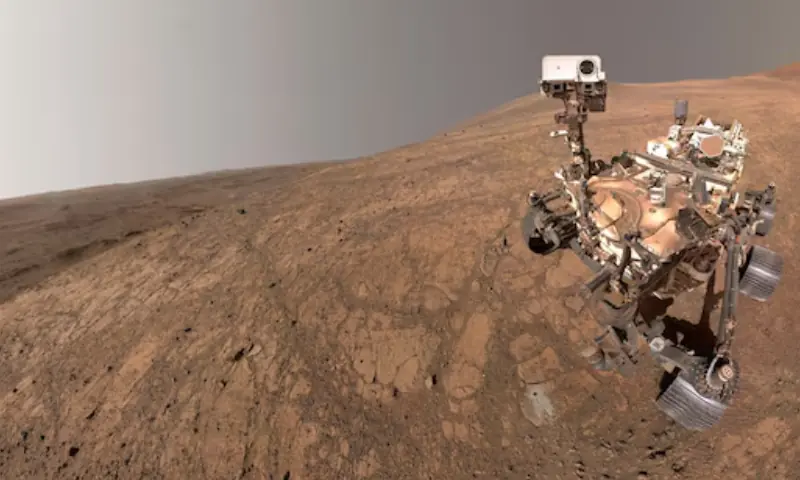
NASA rover takes a closer look at organic carbon on Mars: New research describes the structure of the organic carbon found last year in sedimentary rock that ...
dawn.com/news/2013418


Nasa rover detects potential signatures of ancient microbial life on Mars: Perseverance identifies organic carbon molecules in rocks on riverbed that carried ...
theguardian.com/science/2026/jun/24/nasa-rover-detects-potential-signatures-ancient-microbial-life-mars

Olive Press News Spain May 26
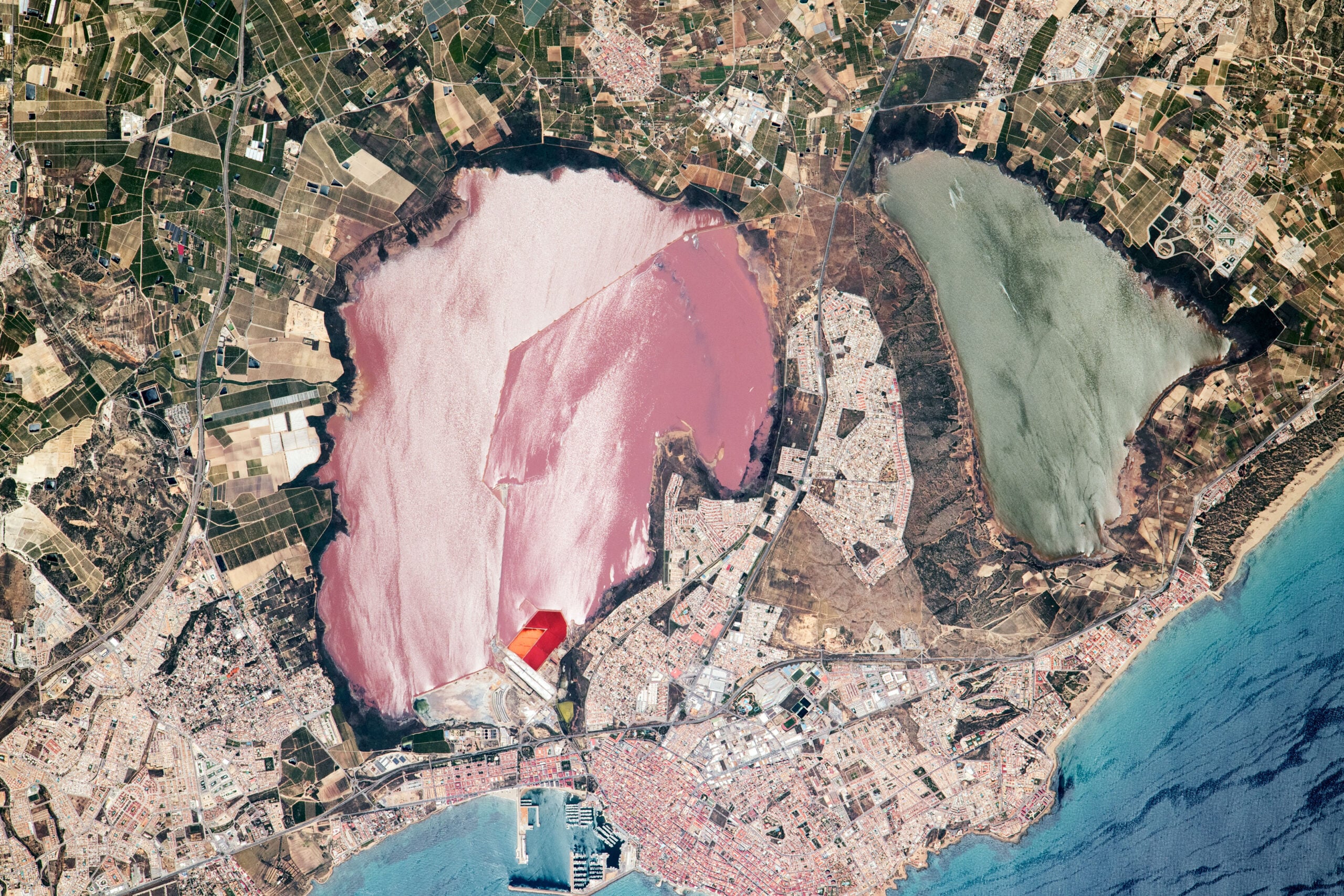
NASA photographed Torrevieja’s famous pink lake from space — and it could help find life on Mars
theolivepress.es/spain-news/2026/05/26/nasa-photos-torreviejas-pink-lake-to-help-mars-hunt/

STAT Apr 22

NASA’s plans for living in space should prioritize immunology and infectious disease
statnews.com/2026/04/22/artemis-space-travel-immunology-infectious-disease-bacteria/

Life on Mars could reach Earth by riding asteroid impact debris, new study suggests
scientificamerican.com/article/life-on-mars-could-reach-earth-by-riding-asteroid-impact-debris-new-study/


Scientists Discover Nearly 1 Billion-Year-Old Organisms, Possibly Alive: The microorganisms are 830 million years old, and may still be kicking ...
vice.com/en/article/k7wm7a/scientists-discover-nearly-1-billion-year-old-organisms-possibly-alive
Key Facts830-Million-Year-Old Microorganisms May Still Be Alive
May 18, 2022 · Reading time: ~45 sec.
Summary created with AI assistance · Source: vice.com
Summary created with AI assistance · Source: vice.com
- A West Virginia University team found 830-million-year-old microorganisms in fluid inclusions in halite from the Browne Formation in central Australia.
- Under ultraviolet-visible light, they fluoresced blue; the authors say this is consistent with modern microorganisms and suggests the organic material is unaltered.
- Whether they are still alive remains unresolved; the oldest known find of living prokaryotes in halite is 250 million years old.
- Rocks in the Browne Formation contain minerals similar to Martian rocks; ancient saline lakes on Mars may have preserved halite for long periods.
The only way that these organisms could have potentially persisted for hundreds, let alone hundreds of millions of years, would be to undergo, basically, a dormant stage or even sort of a hibernation stage.— Lidya Tarhan, assistant professor in the Department of Earth and Planetary Sciences at Yale University, discusses the challenges in determining the life status of microorganisms.
Next