
Since the 1970s, the Earth — fueled by greenhouse gas emissions — has been warming at a fairly steady rate.
But 2023, 2024 and 2025 were far warmer than ... Show more
washingtonpost.com
Story Details
| Last Updated | |
| Total Articles | 1 |
Main Topics

current rise in Earth's average temperature and related large-scale shifts in weather patterns due to man-made gasocrine processes.

sources and amounts of greenhouse gases emitted to the atmosphere from human activities

Similar to This
Previous

Daily Sabah Oct 27

Ultra-rich produce more carbon pollution than nearly half of humanity: The world's richest 0.1%, comprising around 8 million people, produce more carbon ...
dailysabah.com/business/economy/ultra-rich-produce-more-carbon-pollution-than-nearly-half-of-humanity

academic.oup.com Oct 17
The 2026 State of the Climate report finds that 7 of 16 monitored climate indicators have reached record extremes, while global warming has accelerated from 0 ...
academic.oup.com/bioscience/advance-article/doi/10.1093/biosci/biag125/8836482

youtube.com Oct 16
Global Warming Rate Has Recently Doubled Meaning We Pass 1.5C By 2028 and 2.0C by as Early as 2038
FSV TV | Pressekonferenz | FSV Zwickau - 1. FC Lok Leipzig 1:2 (0:2) [16. Spieltag]
youtube.com/watch


Nature Oct 13
A recent doubling of global warming rate signals a 1.5 °C breach by 2028: Timely and accurate projections of when global warming will exceed the Paris ...
nature.com/articles/s41612-026-01561-y.pdf

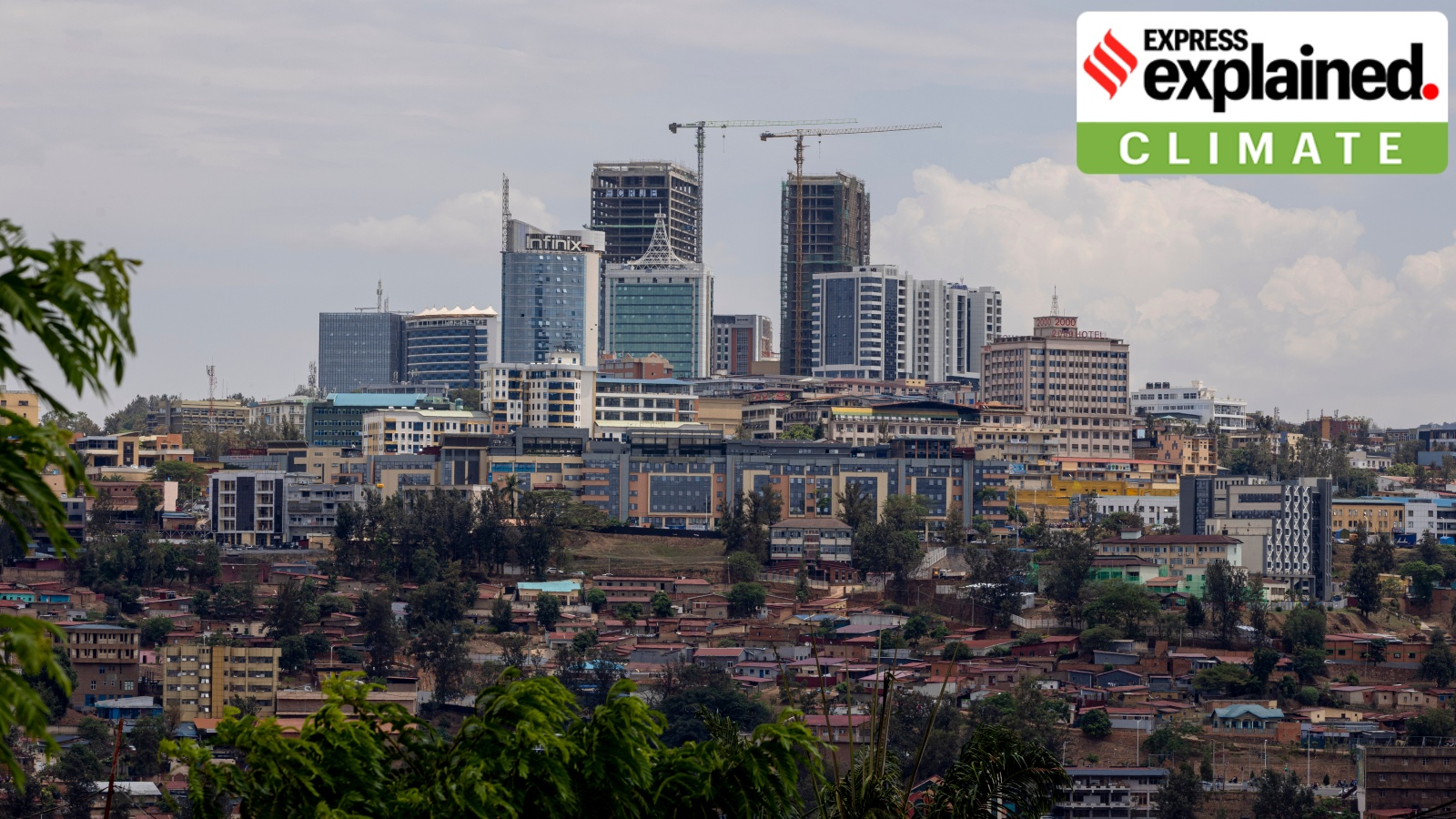
The Kigali Amendment at 10: Why India’s cooling choices matter: The global pact to phase down hydrofluorocarbons could prevent upto 0.5 degrees Celsius of ...
indianexpress.com/article/explained/explained-climate/the-kigali-amendment-at-10-why-indias-cooling-choices-matter-10921839/

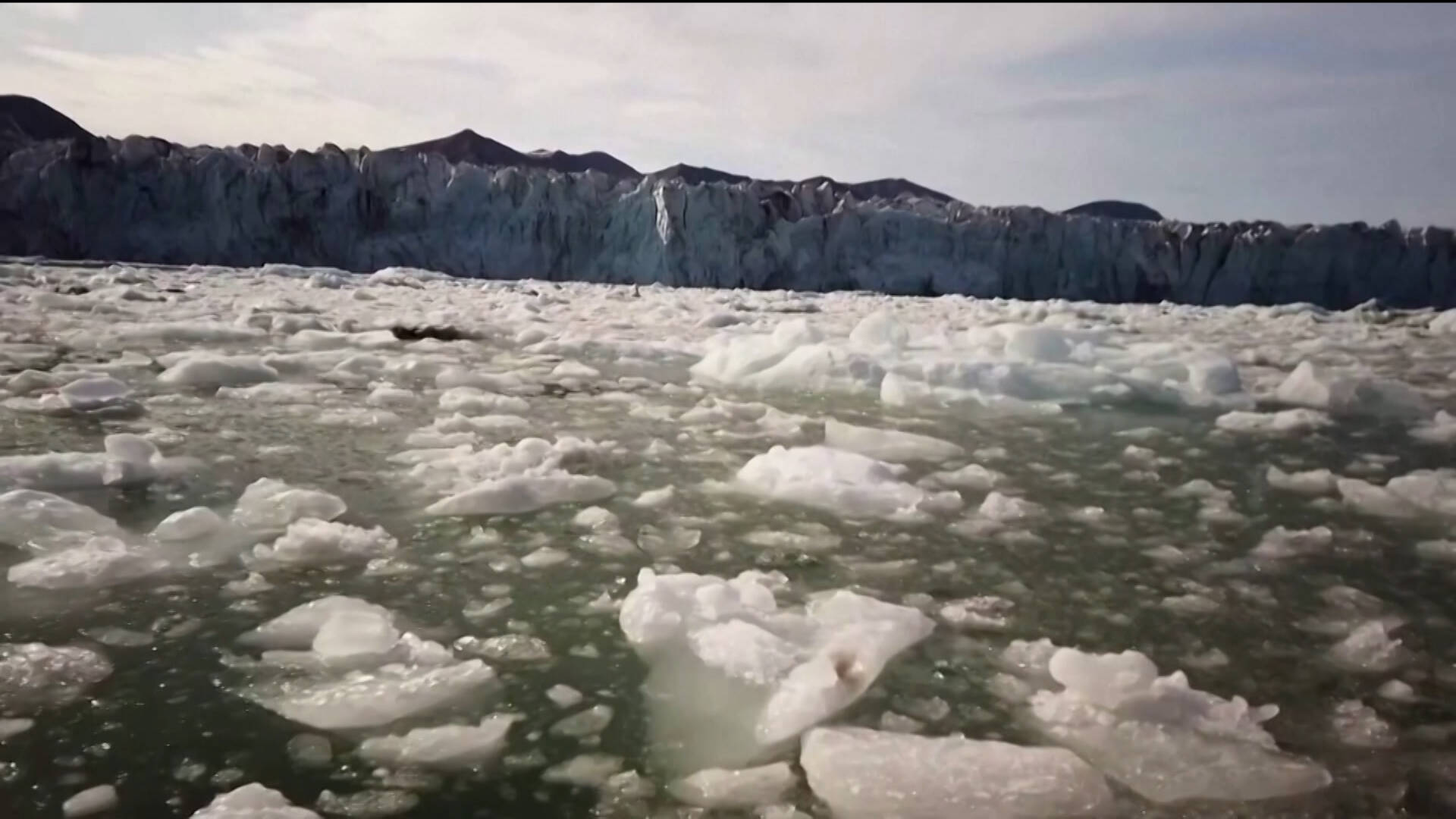
Study Warns Climate Feedback Loops Could Worsen Global Heating by 30%: An alarming new study finds climate feedback loops, including melting permafrost ...
democracynow.org/2026/9/11/headlines/study_warns_climate_feedback_loops_could_worsen_global_heating_by_30


Unaccounted climate feedback loops may amplify warming by 20–30% this century, but cutting emissions will reduce risks
phys.org/news/2026-09-unaccounted-climate-feedback-loops-amplify.html


Crossing 1.5C of global heating doesn't mean that every extra 0.1C of warming doesn't still matter, no matter what Bill Gates and his ilk will tell you.
bloomberg.com/opinion/articles/2026-09-08/un-report-on-1-5c-overshoot-global-warming-is-still-in-our-hands

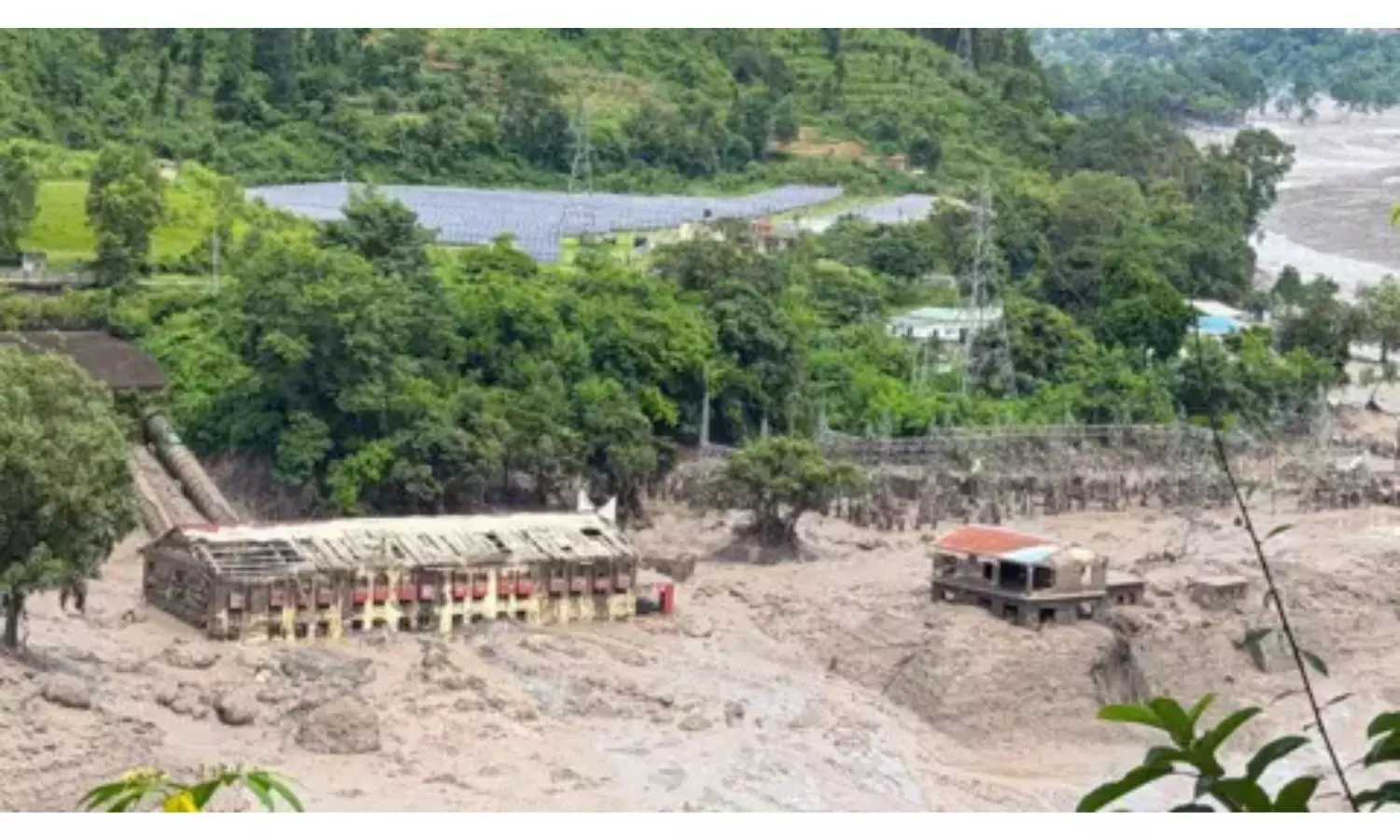
OpinionDC Edit | Clear Global Warning In Nepal-Tibet Catastrophe: As an apocalyptic wall of mud, water and debris cascaded down after a chunk of ice from a glacier ...
deccanchronicle.com/opinion/dc-comment/dc-edit-clear-global-warning-in-nepal-tibet-catastrophe-1982852


 Paid articlePaywall
Global warming has made Europe’s heatwave 2-4°C worse: The continent is warming faster than any other
economist.com/science-and-technology/2026/06/24/global-warming-has-made-europes-heatwave-2-4c-worse
Nature Apr 15

Global carbon emissions and decarbonization in 2025: Global CO2 emissions from fossil fuel combustion and industrial processes increased by +0.7% within 2025 ...
nature.com/articles/s43017-026-00780-4

AMOC collapse could turn Southern Ocean into carbon source, adding 0.2°C to global warming
phys.org/news/2026-04-amoc-collapse-southern-ocean-carbon.html
Nature Mar 06

Climate change is speeding up — the pace nearly doubled in ten years: Earth is now warming at a rate of around 0.35 ºC per decade, fresh analysis finds.
nature.com/articles/d41586-026-00745-z

New Scientist Mar 06

Earth is now heating up twice as fast as in previous decades: Since 2014, the planet has been warming by about 0.36°C per decade, according to an analysis of ...
newscientist.com/article/2518362-earth-is-now-heating-up-twice-as-fast-as-in-previous-decades/
Nature Jan 31

Global gridded dataset of heating and cooling degree days under climate change scenarios
nature.com/articles/s41893-025-01754-y


Current measures would cut methane emissions by just 8% by 2030: A 30% cut in methane emissions by 2030 could prevent 0.2°C of global warming by 2050 ...
brusselstimes.com/belgium/1842376/current-measures-would-cut-methane-emissions-by-just-8-by-2030

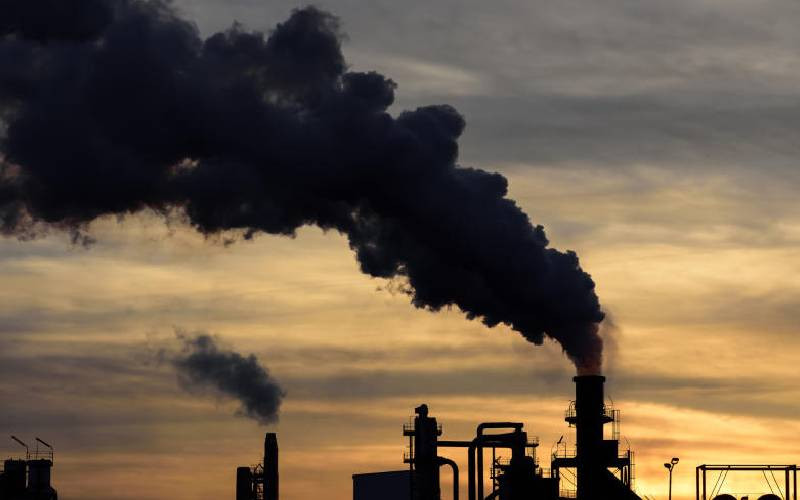
Report: Data-driven action key in reducing methane emissions: Atmospheric methane, UNEP says, continues to be the second biggest driver of climate change after ...
standardmedia.co.ke/health/health-science/article/2001532731/report-data-driven-action-key-in-reducing-methane-emissions

Safe underground carbon storage would only reduce warming by 0.7°C, analysis finds
phys.org/news/2025-09-safe-underground-carbon-storage-07c.html


Summer of 2023 was hottest in 2,000 years in ‘dramatic’ global warming: Summer months of June, July and August 2023 were at least 0.5C hotter than extremes of ...
independent.co.uk/climate-change/news/summer-2023-hottest-study-climate-crisis-b2545254.html
Key FactsStudy finds 2023 Northern Hemisphere summer hottest in 2,000 years
May 15, 2024 · Reading time: ~45 sec.
Summary created with AI assistance · Source: independent.co.uk
Summary created with AI assistance · Source: independent.co.uk
- Researchers combined weather-station observations with tree-ring data to reconstruct Northern Hemisphere summer temperatures across two millennia.
- Summer 2023 was measured at 2.07°C above the 1850–1900 average over Northern Hemisphere land, and the study cautions that the 1.5°C limit has already been exceeded there.
- The coldest reconstructed summer, in 536 AD, was 3.93°C colder than 2023, while the warmest summer in the reconstructed record, in 246 AD, was 1.19°C cooler.
- Researchers attribute the additional amplification of human-caused warming in 2023 to El Niño conditions, while the study says the current phase could last into early summer 2024 and help produce further temperature records.
2023 was an exceptionally hot year, and this trend will continue unless we dramatically reduce greenhouse gas emissions.— Professor Ulf Buntgen, Department of Geography, University of Cambridge, co-author of the Nature study, commenting on the 2023 heat and ongoing warming.
Next