
Mars Terraforming: Researchers Develop Roadmap for Warming the Red Planet:
A new research paper from the University of Chicago outlines concrete steps to make ...
telepolis.de/article/Mars-Terraforming-Forscher-entwickeln-Fahrplan-zur-Erwaermung-des-Roten-Planeten-11340409.html

Story Details
| Last Updated | |
| Total Articles | 2 |


Similar to This
Previous

What exactly are Mars’ two moons? Japan’s new mission will land on one to find out
edition.cnn.com/2026/10/19/science/japan-mmx-mission-mars-moons


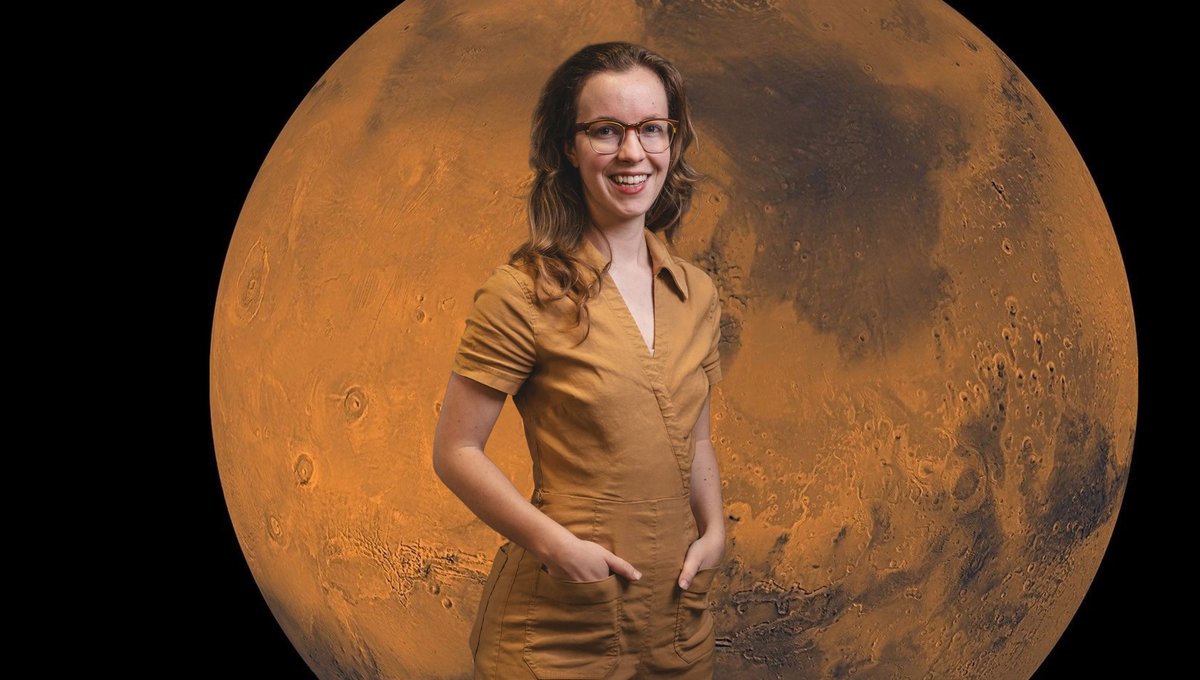
What would it take to terraform Mars? Erika DeBenedictis has ideas: The CEO of Pioneer Labs, a biotech startup developing Mars-adapted microbes ...
scientificamerican.com/article/what-would-it-take-to-terraform-mars-erika-debenedictis-has-ideas/

NASA-backed mission aims to land on Mars moon, bring samples home: NASA is part of a Japan-led mission known as MMX that in the coming days could send an ...
usatoday.com/story/tech/space/2026/10/15/nasa-jaxa-phobos-deimos-mars-moons-mmx/92245671007/

Can bioengineered bacteria help terraform Mars?: The nonprofit start-up Pioneer Labs claims to have made the first-ever “microbe for Mars ...
scientificamerican.com/article/can-bioengineered-bacteria-help-terraform-mars/


Rover Curiosity finds Martian features that puzzle science: The Mars rover Curiosity has discovered wide and shallow depressions on the red planet that ...
t3n.de/news/mars-rover-curiosity-endeckt-neuartige-vertiefungen-1763982/

Two faces, one planet: Researchers discover huge temperature differences inside Mars
fr.de/wissen/mars-forscher-entdecken-riesige-temperaturunterschiede-im-inneren-zr-94465958.html


Space Aug 24
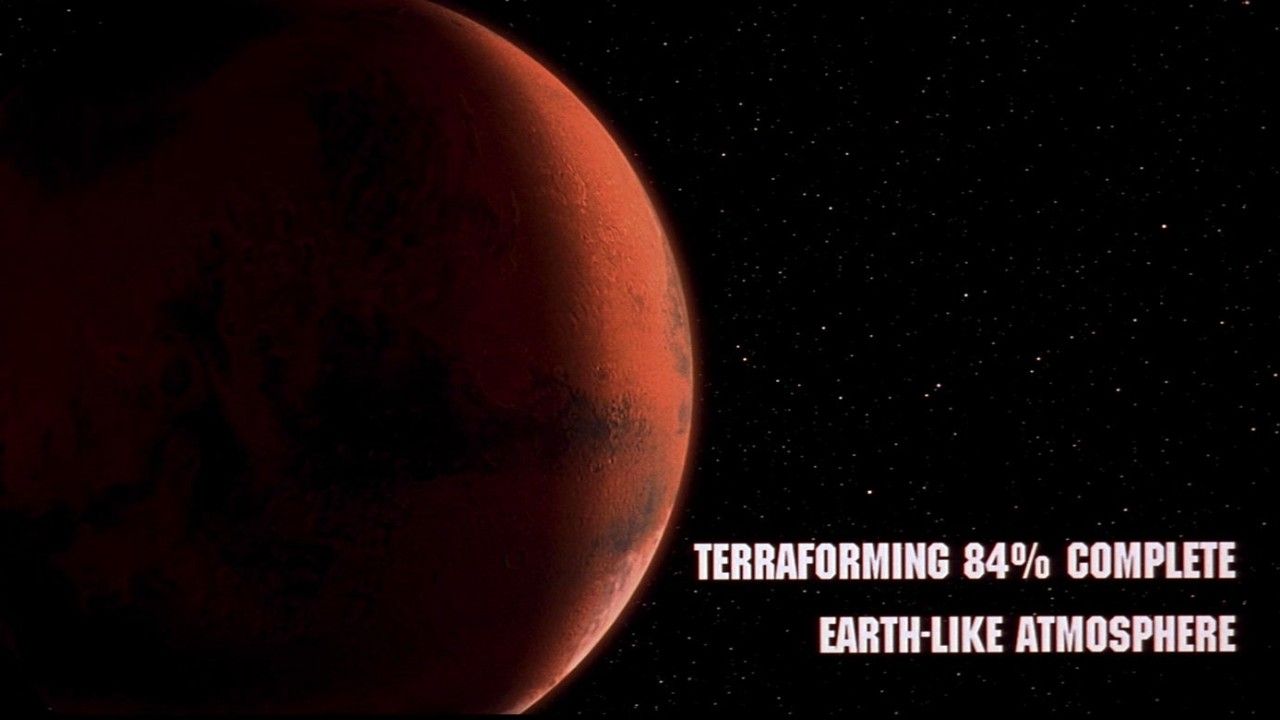
'Ghosts of Mars' at 25: Are we any closer to living on the Red Planet? We asked the experts
space.com/entertainment/space-movies-shows/ghosts-of-mars-at-25-are-we-any-closer-to-living-on-the-red-planet-we-asked-the-experts

50 years ago Viking 1 landed on Mars: Half a century ago, the NASA probe achieved the first successful landing on Mars. For six years ...
spektrum.de/news/vor-50-jahren-landete-viking-1-auf-dem-mars/2335520


NASA releases spectacular video of Mars flyby: NASA has released a video of the Psyche spacecraft passing Mars. The Red Planet is first seen as a crescent - | ...
stern.de/panorama/nasa-zeigt-spektakulaeren-mars-vorbeiflug-37992108.html


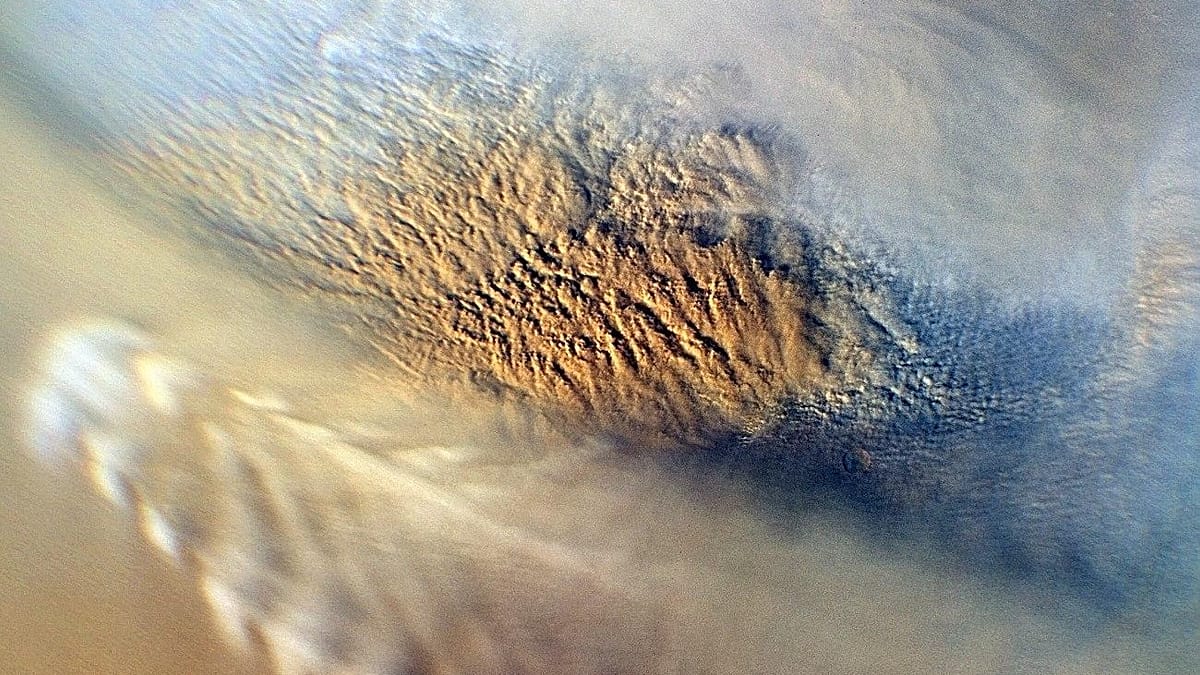
Portuguese scientists study Martian clouds to help future landings: As plans for crewed missions to Mars advance, a study led by two Portuguese scientists at ...
euronews.com/next/2026/07/21/portuguese-scientists-study-martian-clouds-to-help-future-landings
Mars is back: The Red Planet appears in the morning sky in July and meets Uranus in the Golden Gate of the ecliptic. Saturn and Neptune remain stationary ...
spektrum.de/news/planetenlauf-juli-2026-der-rote-planet/2318459

New rock discovered on Mars: It provides insights into the planet's early history
t3n.de/news/neues-gestein-auf-mars-entdeckt-neue-einblicke-in-mars-geschichte-1748384/
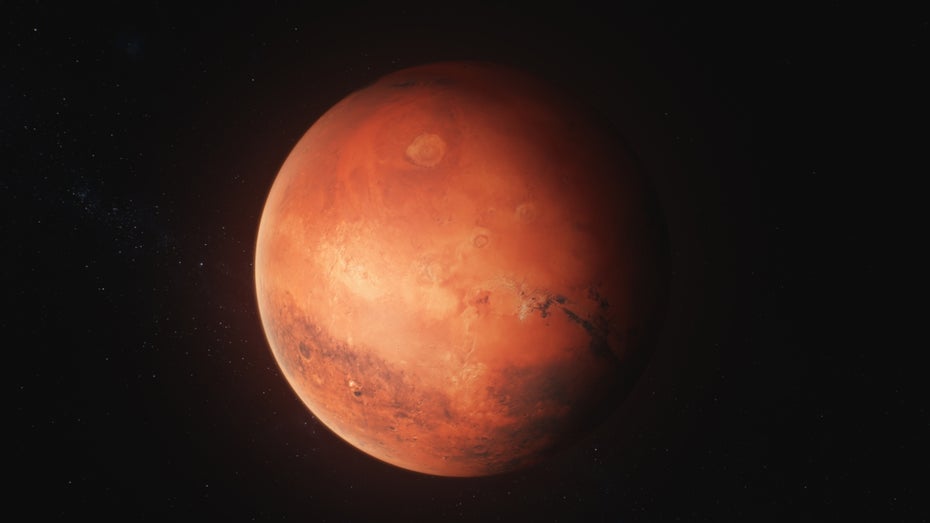
Psyche's Mars Pass Successful: The flyby of NASA's Psyche space probe on May 15, 2026, was successful; now the close-up images of the Red Planet stored ...
spektrum.de/news/raumsonde-marspassage-von-psyche-erfolgreich/2325109

Psyche space probe passes Mars: On May 15, 2026, the Psyche space probe will make a close approach to Mars to gain momentum for its journey to the asteroid of ...
spektrum.de/news/raumsonde-psyche-passiert-den-mars-am-15-mai-2026/2324007

ESA Discovers Discoloration on Mars: Why the Surface Is Getting Darker: The ESA has gathered new insights into Mars. According to impressive images ...
t3n.de/news/esa-verfaerbungen-mars-oberflaeche-immer-dunkler-1739575/
Mars may have been teeming with life - Until microbes made the red planet uninhabitable.
fr.de/wissen/mars-leben-mikroben-neue-studie-methan-klimawandel-roter-planet-unbewohnbar-nasa-rover-perseverance-91843625.html
Key FactsMicrobes Triggered Climate Collapse on Mars
Oct 11, 2022 · Reading time: ~45 sec.
Summary created with AI assistance · Source: fr.de
Summary created with AI assistance · Source: fr.de
- More than 3.7 billion years ago, Mars supported life with methanogenic microbes metabolizing hydrogen underground.
- These microbes released methane which interacted with the atmosphere and polar ice caps, causing progressive cooling.
- The microbial methane emissions led to near-complete ice coverage of Mars within half a million years.
- Certain areas like Jezero Crater might have sustained microbial life below the surface for some time.
Perhaps it is a common fate of life in the universe to destroy itself.— Lead author Boris Sauterey, in an interview with Inverse, discussing the idea that life in the universe may share a fate of self-destruction.
Next